
ExplainersPro
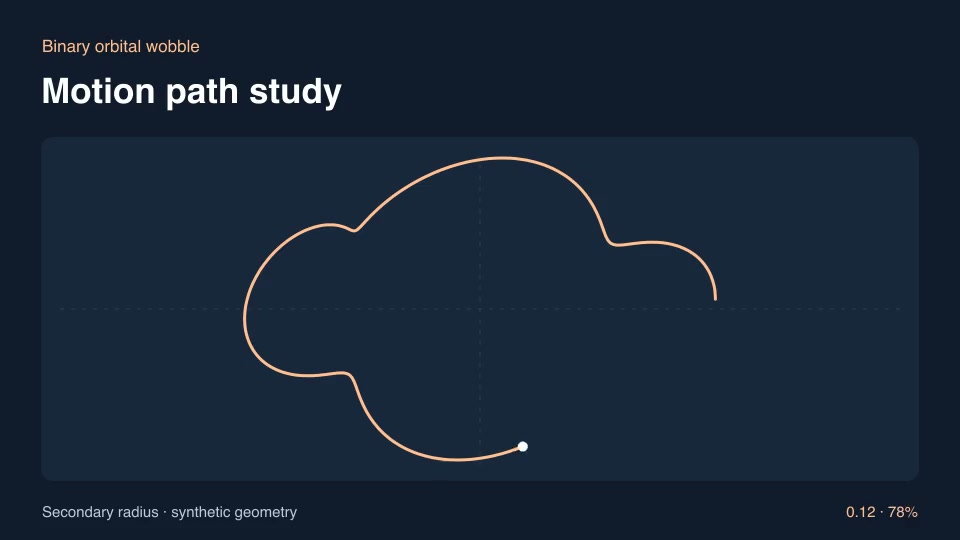
Binary orbital wobble
Draw the projected wobble of a body moving around a common orbiting center.
Find a workflow by the video you need to make. Preview the result and check what you’ll need to run it.
Draw the projected wobble of a body moving around a common orbiting center.
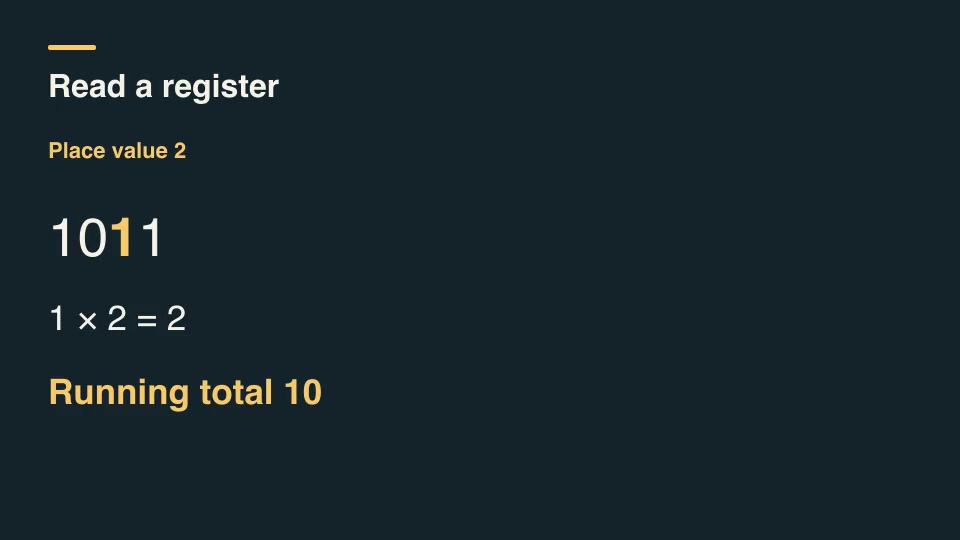
Read a binary number from left to right, label each place value and accumulate the resulting decimal total.
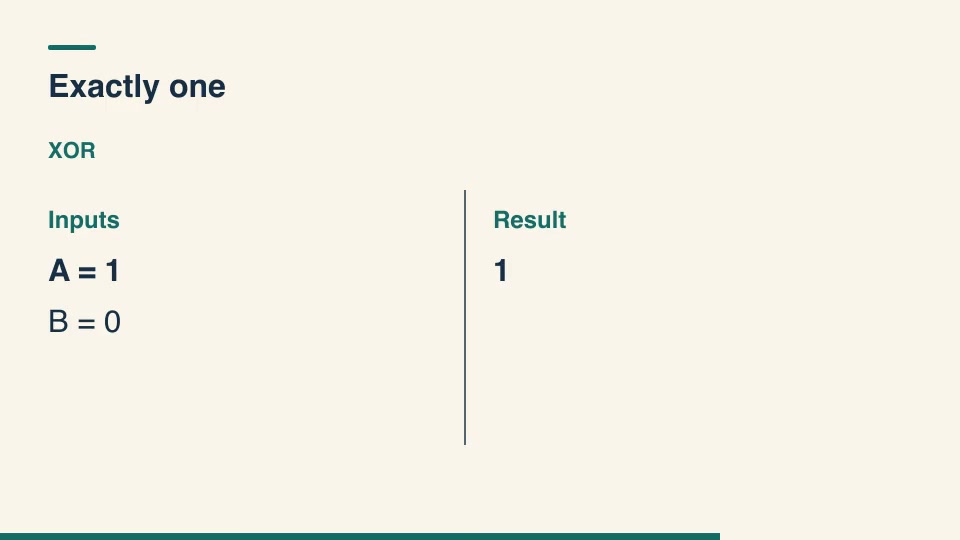
Evaluate every input pair of a chosen two-input logical operator and build its output sequence one row at a time.
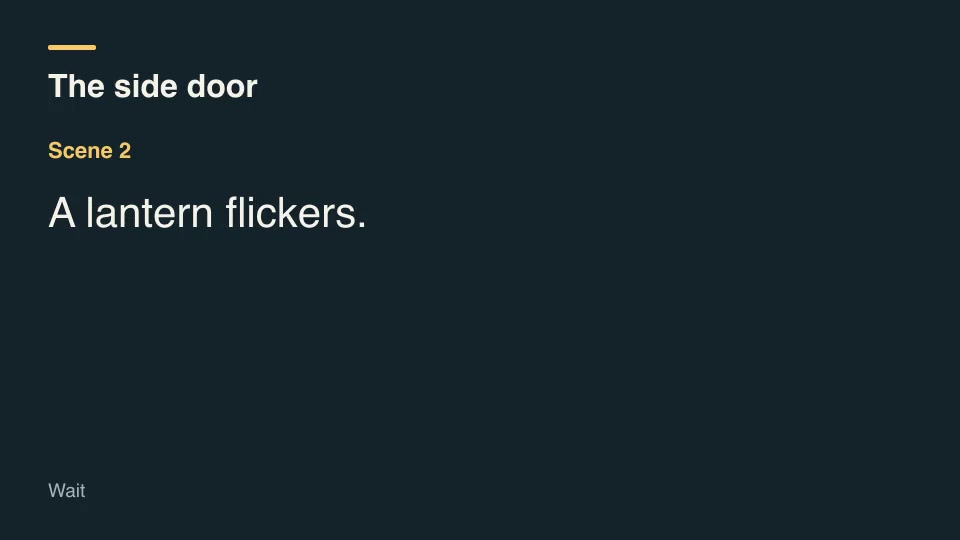
Resolve a chosen route through a branching story and render only the scenes encountered on that route, ending at its actual terminal scene.
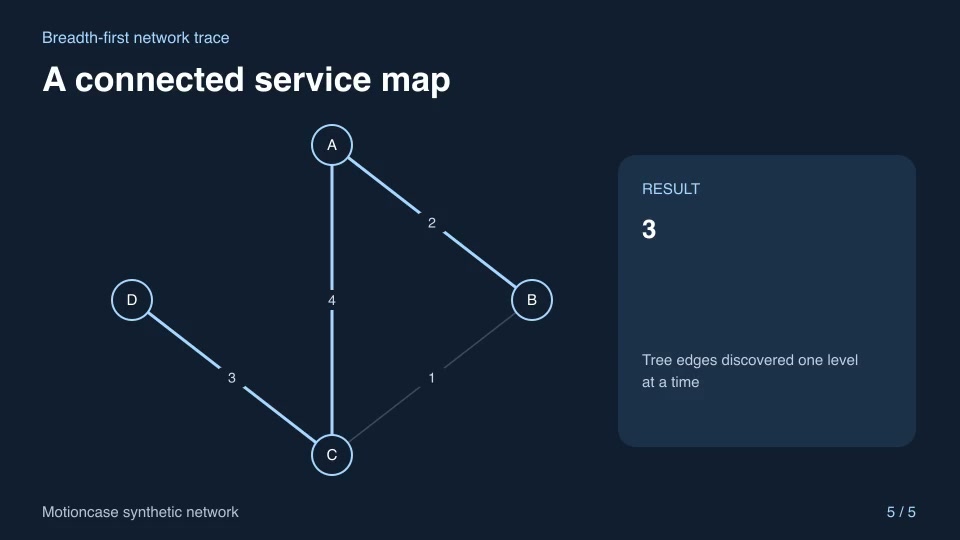
Show a breadth-first discovery tree and the order a network is explored.
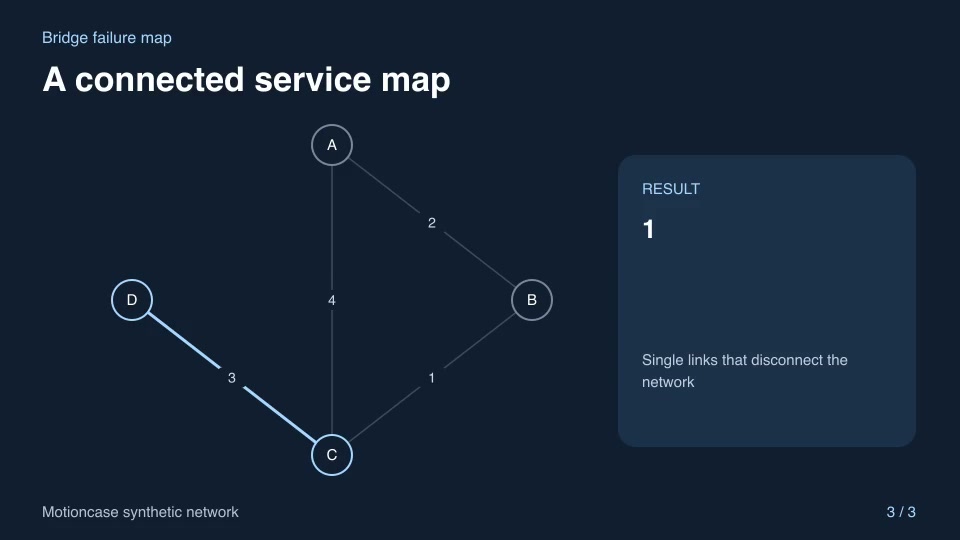
Identify links whose removal would split the connected network.
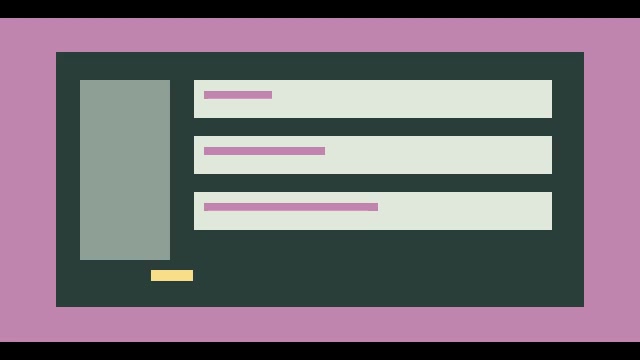
Choose the brightest genuinely visible frame inside each source interval and hold the selected moments as a review reel.
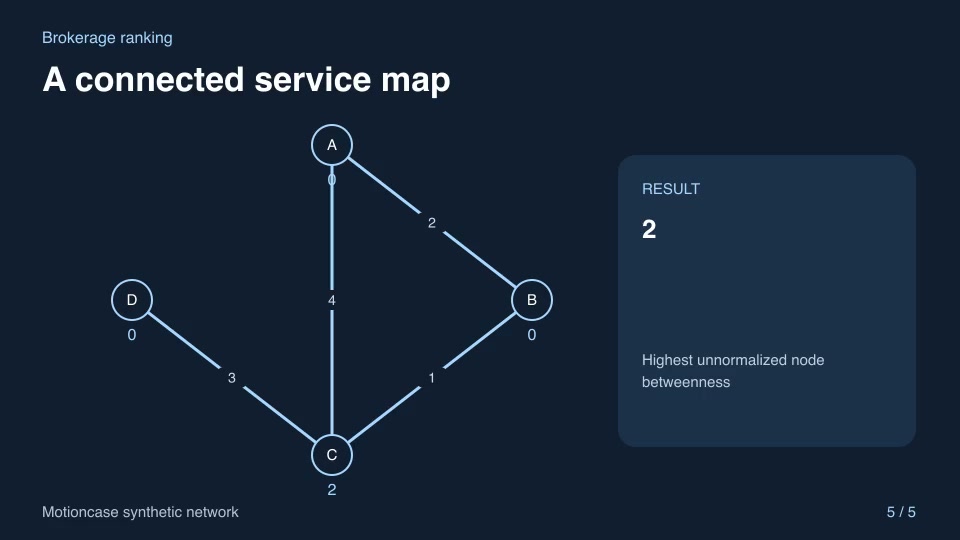
Reveal nodes lying on shortest routes between other pairs of nodes.
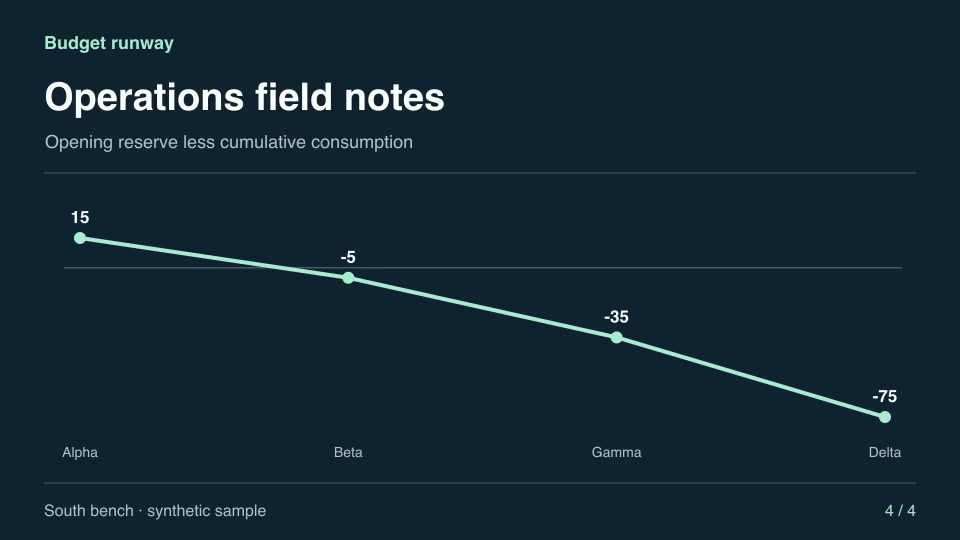
Subtract an ordered sequence of draws from an opening resource budget and show the remaining balance.

Compare one bundle price with the exact sum of its separately sold components.

Explain how complete promotional groups and leftover units change the paid quantity.
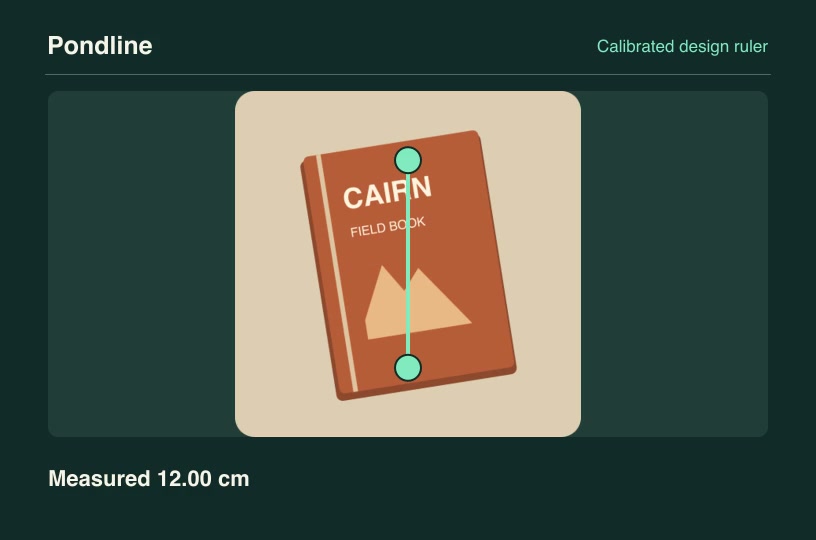
Use a known reference segment to measure a second feature in a real product drawing and animate both dimensions.
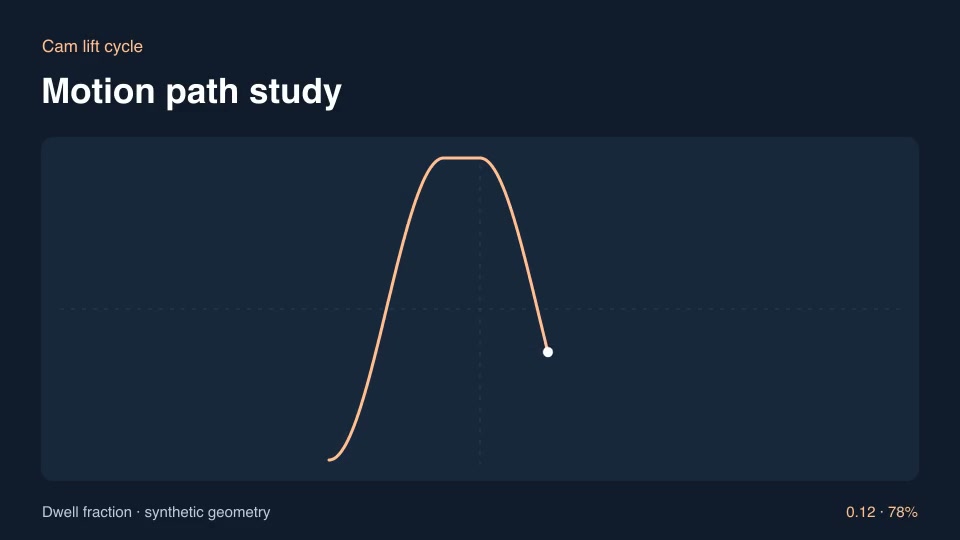
Draw the rise, dwell, return and rest of a cam follower over one shaft revolution.
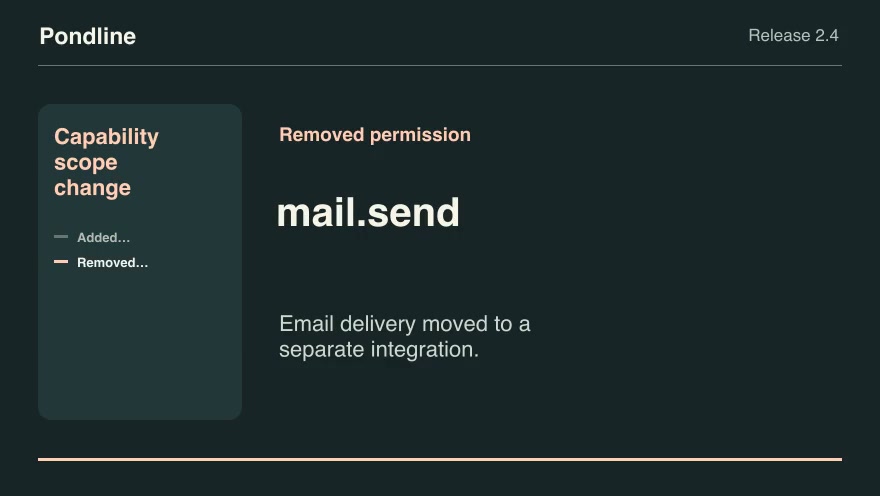
Explain newly requested and removed permission scopes between two product versions.

Apply a percentage coupon to its eligible merchandise, clamp the discount to its cap, and preserve excluded items.
Cut a transcript into short reading phrases at punctuation or an editor's word ceiling and allocate time from reading speed.
Flag subtitle cues whose reading rate exceeds the editor's threshold and show the extra display time each flagged cue needs.
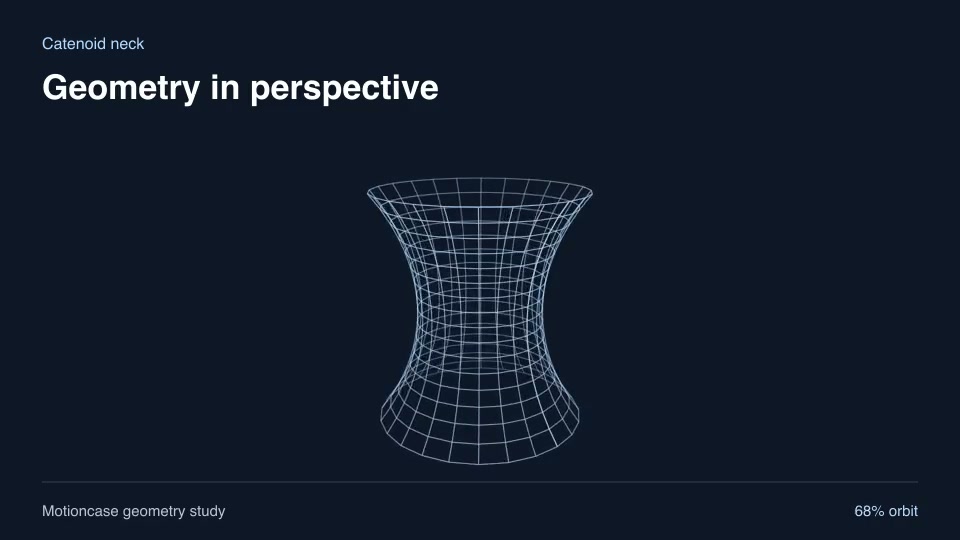
Visualize a minimal-surface neck joining two circular rims.
Trace a selected outcome backward through recorded causal links and reveal the linked events in forward order, excluding unrelated branches.
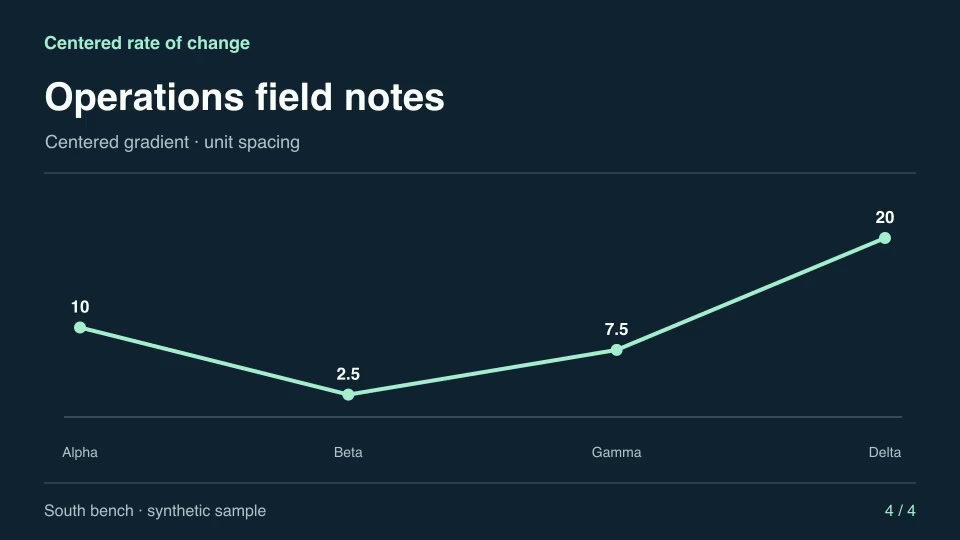
Estimate the rate at interior points with a centered difference and use one-sided endpoint estimates.
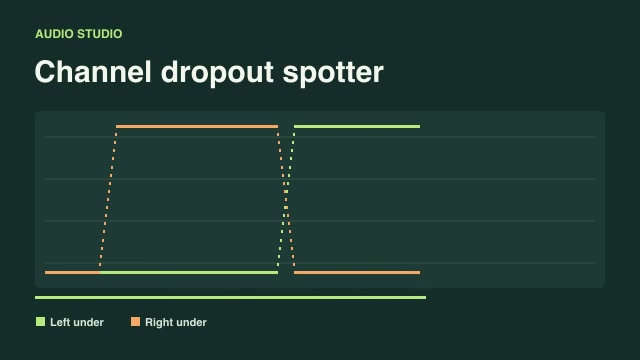
Flag frames where one stereo channel falls unexpectedly below the other and distinguish them from quiet passages.

Pair moving footage with a chroma vectorscope so a colorist can inspect saturation and hue direction over time.
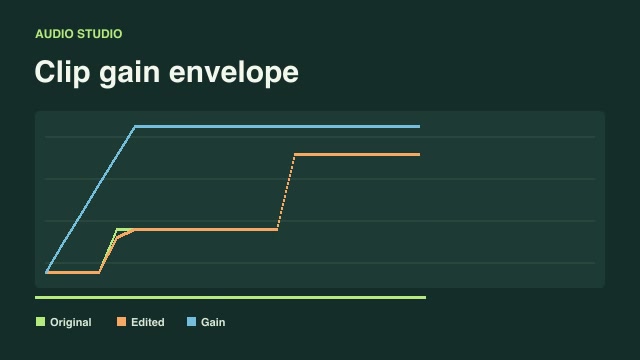
Apply editable fade-in and fade-out envelopes to podcast or music clips and render a synchronized before-and-after level guide.
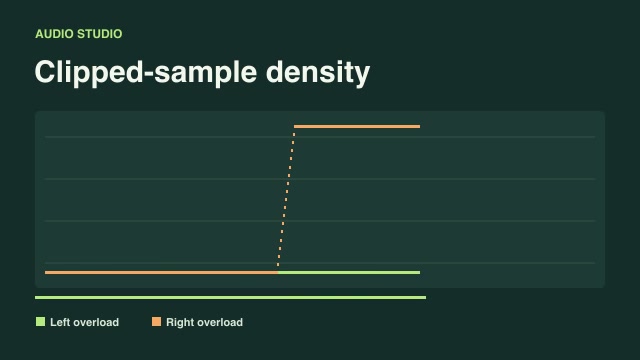
Locate overloaded portions of a recording by measuring how many samples cross the clipping threshold in each time block.